

 Google is in the midst of designing a brand new smartphone that is said to "rival" anything coming from mobile giants Apple and Samsung, according to The Wall Street Journal.
In a report on Friday, engineers at now Google-owned Motorola Mobility are developing what is being referred internally to as the "X phone."
Based on information from "people familiar with the matter," Google's strategy for Motorola Mobility appears to revolve around the following points:
The X phone is intended to be a "marquee handset," and it will "stand apart from existing phones."
Motorola is primarily developing mobile phones for Verizon Wireless (mostly for the Droid brand).
Motorola will follow up with new "X tablet" later.
However, the WSJ did also note that the Motorola team is running into some major obstacles before anything can be officially announced -- let alone released.
Here's an example:
For the X phone, an initiative being led by former Google product manager Lior Ron who specialized in mapping, Motorola wanted top-notch features for the phone's camera and photo software, such as better color saturation and the ability to take panoramic shots, two people familiar with the situation said. But some of the features were found to drain battery life or already have been incorporated into popular new devices, such as the iPhone 5 that launched earlier this year, they added.
Motorola also ran into difficulties when it looked into using a bendable screen and materials such as ceramics that would allow the company to make the X Phone more stress resistant, use more colors and mold into different shapes, these people said.
Nevertheless, these moves (if true) are made even more interesting (not to mention complicated) given that Samsung is a major OEM partner within the Android ecosystem. Google has also partnered directly with Samsung on past mobile devices, such as the Galaxy Nexus.
When Google originally made its $12.5 billion bid for Motorola Mobility, there was some skepticism and worry from analysts and manufacturers about how this would affect the OEM partnerships.
Google has tried to downplay any fears, but it shouldn't come as a surprise to anyone that Google is obviously going to direct most of its resources and innovation towards Motorola over other OEM partners -- even one as powerful and important as Samsung.
-zdnet.com

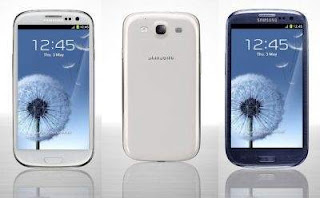 Smartphones and tablets powered by Google’s Android software are devouring the mobile gadget market, eating into Apple’s turf by feeding appetites for innovation and low prices, analysts say.
 The Galaxy S Mini didn’t make a splash hitting U.S. shelves, but the teacup version of Samsung’s flagship Galaxy S III has in fact arrived stateside.
 Samsung's Chromebooks have been priced in the $500 range with a build quality a step above what most netbooks have to offer. As you might expect, now that the price has been slashed to $249, it feels slightly cheaper than the last-generation Series 5 550 -- but only slightly. With the exception of the palm rest, which used to be made of inlaid metal, this has the same look and feel as the Chromebook we reviewed earlier this year.
 It’s no secret that all five major U.S. carriers will sell the second-generation Samsung phablet, but they seem to have their very own launch strategies. Thus far, Sprint and AT&T are the only carriers to throw out specific dates, while T-Mobile has merely said the phone will launch this “fall.”


 At first glance, it’s easy to dismiss the Galaxy Note II as a bigger Galaxy S III with more RAM and a faster processor but Samsung wants to tell you that there is more to the Galaxy Note II than you think.
